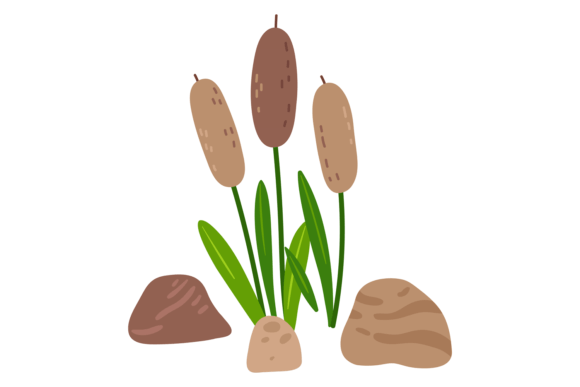
Swamp Reeds: Exploring the Green Wetland Plants Color
There is a specific kind of energy that comes from the natural world, a palette that designers instinctively turn to when they want to evoke growth, stability, and organic authenticity. When we talk about "Swamp Reeds" and the associated "Green Wetland Plants Color," we aren't just talking about a random hex code. We are discussing a specific visual identity that carries the weight of nature, resilience, and a certain earthy sophistication. For designers, brand strategists, and content creators, understanding this color—and the assets that represent it—is essential for crafting visuals that resonate deeply with a modern audience seeking connection to the environment.
The Visual DNA of the Swamp Reed Palette
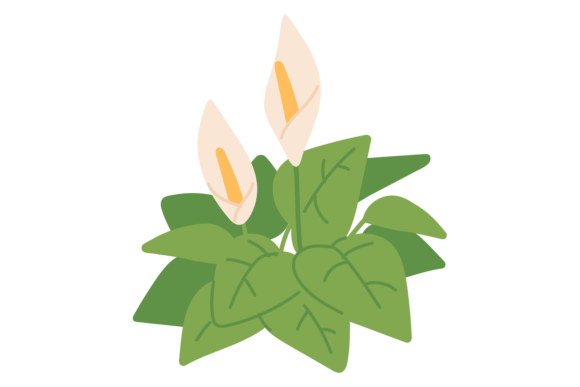
The "Swamp Reeds" aesthetic is rooted in the deep, saturated greens found in marshlands and estuaries. Unlike the bright, neon greens of early spring grass, the Green Wetland Plants Color leans toward the olive, sage, and deep emerald spectrum. It is a color that absorbs light rather than reflecting it harshly. Visually, this creates a grounding effect. When you look at a high-quality asset—whether it is an EPS vector, a transparent PNG, or a SVG file of a reed icon isolated on a white background—you see the intricate details of the stem, the subtle gradations of shadow, and the organic irregularities that make nature beautiful.
This palette has a personality that feels mature and resilient. It suggests that a brand using this color is established, trustworthy, and environmentally aware without being preachy. It is a premium color choice that avoids the clichés of corporate blue or the aggression of retail red. Instead, it offers a quiet confidence. For a brand identity, utilizing this specific green can signal a commitment to sustainability or a connection to heritage and history. It is the color of things that endure.
Strategic Applications: Where This Asset Works Best
One of the greatest strengths of the Swamp Reeds asset is its versatility across different media. Because the request specifies formats like EPS, JPG, SVG, and transparent PNG, it is clearly designed for professional application. Here is how to leverage these files effectively:
Digital and Web Design: In web design, a transparent PNG of a swamp reed can be used as a subtle overlay on hero images to add depth without obscuring text. It works exceptionally well for wellness blogs, sustainable e-commerce sites, or nature-focused travel agencies. The SVG format ensures that the lines remain crisp and clean on retina displays, maintaining the professionalism of the site regardless of screen size.
Packaging and Print: For packaging design, particularly in the organic food, craft beer, or artisanal soap industries, this imagery is gold. It suggests that the product inside is natural and carefully curated. Using the EPS vector file allows you to scale the reed pattern to fit a massive shipping box or a tiny product label without losing quality. This scalability is crucial for maintaining brand consistency across your entire product line.
Social Media and Marketing: On platforms like Instagram or Pinterest, visual hierarchy is everything. The distinct silhouette of a swamp reed creates a strong vertical line that can guide the viewer's eye toward a call to action. It serves as an excellent design asset for creating mood boards, story highlights, or background textures for quotes. It adds an artistic touch to social media graphics that standard stock photos simply cannot match.
Influence on Brand Perception and Engagement
Color psychology is not just theory; it impacts how users interact with your content. The Green Wetland Plants Color influences audience engagement by creating a calming environment. In a digital landscape cluttered with noise, a user landing on a page that utilizes natural, earthy tones is more likely to stay longer. It reduces cognitive load and makes reading easier.
When you pair this aesthetic with typography, you have to be careful about readability. Because the imagery is organic and textured, you want your typeface to provide a counterbalance. A clean sans serif font often works best here, offering a modern, geometric contrast to the wild, organic lines of the reeds. Alternatively, if you are going for a vintage or rustic vibe, a sturdy serif font can complement the "swamp" aesthetic perfectly. The goal is to ensure that the visual hierarchy remains clear: the image sets the mood, but the text delivers the message.
Furthermore, using specific nature-based assets helps in brand recognition. If your competitors are using generic geometric shapes, utilizing the Swamp Reeds motif sets you apart. It tells a story of where you come from and what you value. It transforms a simple logo or website into a narrative experience.
Practical Guidance for Implementation
If you are considering integrating this specific green color or the Swamp Reeds icon into your workflow, here is a practical checklist for creative professionals:
- Evaluate the Fit: Does your brand voice match the "personality" of the color? This green is serious, natural, and grounding. If your brand is hyper-energetic, neon, and futuristic, this might feel out of place unless used ironically.
- Test Your Pairings: Don't just drop the asset in. Create a mockup. Test the Green Wetland Plants Color against your typography. Ensure the contrast ratio meets accessibility standards (WCAG). A dark green background requires light text, but ensure the green isn't so dark it becomes muddy on low-brightness screens.
- Review the Styles: You have access to JPG, SVG, EPS, and PNG. Use the right tool for the job. Never use a JPG for a logo or icon that needs a transparent background. Never use a low-res PNG for print. The EPS is your master file—protect it and use it for all print production.
- Commercial Licensing: Always verify the licensing. If you are a small business owner or entrepreneur using this for a commercial product, ensure the license covers the scope of your distribution. Most premium assets allow for this, but due diligence protects you legally.
- Font Pairings: Since the prompt mentions premium fonts and modern typography, look for typefaces that have organic warmth. A handwritten font or script font could be used for headers to mimic the flow of the reeds, while a sans serif handles the body copy for maximum readability.
Ultimately, Swamp Reeds and the Green Wetland Plants Color are more than just pixels on a screen. They are a bridge between the digital world and the natural one. By using these assets thoughtfully, you can create designs that feel timeless, authentic, and deeply human. Whether you are designing a logo, laying out an editorial magazine, or building a website, let the quiet strength of the wetland guide your creative decisions.