Angry Rabbit Head: A Cute Bunny Color Emoji for Every Project
More Than a Simple Icon: Understanding the Angry Rabbit Head Design
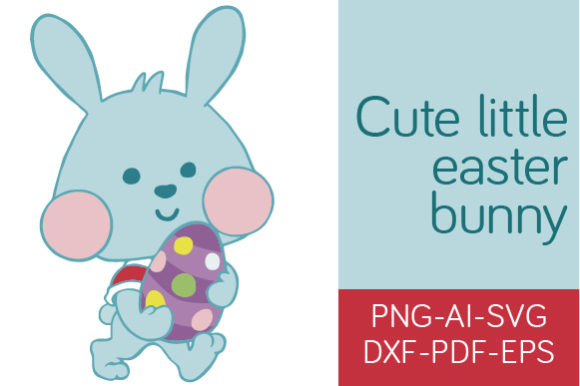
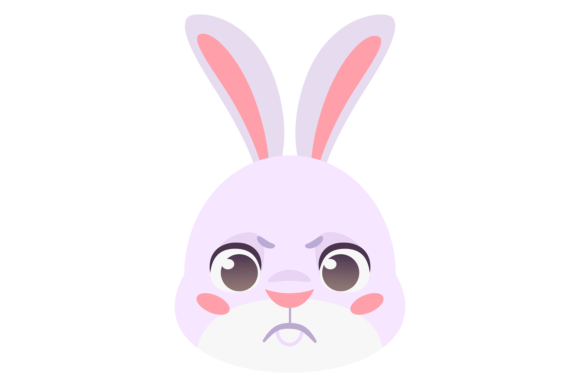
At first glance, the name might seem contradictory. How can something be both angry and a cute bunny? The Angry Rabbit Head. Cute Bunny Color Emoji captures a specific, relatable moment of frustration wrapped in an adorable package. This design asset is a vector illustration, typically delivered in formats like EPS, SVG, transparent PNG, and high-resolution JPG. Visually, it features a stylized rabbit head with exaggerated, expressive features—perhaps furrowed brows, a slightly puffed-up cheek, or twitching ears that signal annoyance. The color palette is vibrant and friendly, often using soft pastels or bold primaries to keep the character from feeling truly threatening. This contrast is its core appeal. It’s a creative font for emotion, a way to visually communicate playful irritation, stubborn determination, or the universal feeling of a bad day, all while maintaining a charming, approachable aesthetic.
This isn't a typeface in the traditional sense of letterforms, but it functions as a powerful display font for emotion and brand personality. Its style leans into modern, flat design with clean lines, making it incredibly versatile. It avoids the complexity of a serif font or the flowery nature of a script font, instead offering a clear, bold graphic statement. Think of it as a visual shorthand, a piece of modern typography that speaks volumes without a single word. The overall appeal lies in its ability to be both instantly recognizable and emotionally nuanced. It’s a cute bunny color emoji that adults can appreciate, making it perfect for a generation that grew up with emojis and now uses them in professional and personal communication.
Strategic Applications: Where This Emoji Truly Shines
Knowing what it is only gets you so far. The real question is where to deploy the Angry Rabbit Head for maximum impact. Its strength is in contexts where you need to balance professionalism with personality, or where a standard smiley face just won’t cut the mustard.
In brand identity and logo design, this emoji can become the mascot for brands that embrace honesty, resilience, or a bit of playful rebellion. Imagine a coffee brand whose tagline is "For Your Monday Moods," or a productivity app that acknowledges the frustration of a cluttered inbox. It works beautifully in packaging design for products aimed at a younger adult demographic—think artisanal hot sauces with attitude, or self-care kits for "when you need a minute." For editorial design, it’s a godsend. Bloggers and publishers can use it as a recurring visual element to highlight common pain points in articles about work-life balance, tech frustrations, or even humorous personal essays. It adds a layer of relatable commentary that stock photos often miss.
Digital spaces are its natural habitat. Social media graphics featuring the angry bunny can dramatically increase engagement. It’s perfect for Instagram Stories polling followers on their biggest pet peeve, for Twitter posts reacting to breaking news, or as a sticker in Facebook group conversations. In web design, it can serve as a clever favicon, a loading animation, or an interactive element in a user interface to provide feedback. For small business owners and entrepreneurs, it’s a cost-effective way to inject character into email marketing campaigns, invoices (imagine a tiny angry bunny next to a "Payment Due" line), or customer service auto-replies to soften a technical error message.
Making It Work: Practical Guidance for Designers and Creators
Integrating any strong graphic element requires thoughtful execution. The Angry Rabbit Head is a premium font asset in spirit, and it deserves a strategic approach. First, consider scale and placement. This emoji is a focal point, not background noise. Use it as a hero image in a blog post header, as a prominent sticker on packaging, or as a singular icon in a social media post. Pairing it with the right typography is critical. It tends to harmonize well with clean, neutral sans serif fonts like Helvetica, Futura, or modern grotesques. The simplicity of the sans serif allows the detailed emoji to stand out without visual competition. Avoid pairing it with overly ornate handwritten fonts or complex script fonts, as this can create a cluttered, confusing hierarchy.
Evaluate its fit for your project’s tone. It’s not suitable for solemn, highly formal, or traditionally luxurious brands. Its sweet spot is in the space between casual and professional, where brands communicate with a wink and a nod. Before committing, test its readability at various sizes. While it’s a vector and will scale cleanly, ensure the key emotional features—the angry eyes, the set of the mouth—are discernible even as a small icon on a mobile screen. Always review the file formats included. A transparent PNG is essential for layering over photos or colored backgrounds in digital work, while an EPS or SVG file is crucial for print projects or scaling to large formats like posters or signage without losing quality.
Finally, be mindful of commercial licensing. If you’re using this for a client project, merchandise, or any commercial application, ensure you have the appropriate license. The cost of a proper commercial font or graphic license is a minor business expense compared to the legal and reputational risks of infringement. Treat this design asset with the same respect you would a licensed typeface. When used with intention, the Angry Rabbit Head. Cute Bunny Color Emoji becomes more than just a cute picture; it becomes a strategic tool for building a relatable, memorable, and human-centric brand identity.